


WIPO GREEN | 构建未来粮食体系:农业生物技术创新者如何战略性地利用知识产权
围绕国家“双碳”目标及知识产权建设相关要求,依托我院WIPO GREEN官方合作伙伴身份,特开设WIPO GREEN专题栏目,助力广州WIPO GREEN城市加速项目落地推进,搭建常态化的国际绿色创新信息传播与服务对接平台。
本专栏将聚焦发布多元核心内容,涵盖官方动态与全球绿色创新趋势、国际培训及知识产权管理实务、专题研讨与考察调研、绿色技术供需对接典型案例等。充分发挥桥梁纽带作用,推动本土产业需求与国际创新资源双向对接融通,赋能绿色企业知识产权能力提升,服务广州绿色经济高质量发展。

构建未来粮食体系:农业生物技术创新者如何战略性地利用知识产权
Building tomorrow’s food system: how agri-biotech innovators use IP strategically
作者:保罗·欧蒙迪 ,自由撰稿人
By Paul Omondi, freelance writer
数十年来,农民一直依赖化肥、杀虫剂和抗生素来提高粮食产量。但是,为了满足日益增长的需求而加速的农业现代化也暗藏风险。
For decades, farmers have relied on chemical fertilizers, pesticides and antibiotics to enhance food production. But the rapid modernization of agriculture to meet rising demands has its perils.
为了解决这些问题,生物技术公司正在从生物体和天然材料中汲取灵感。除了以生物优先的创新外,对知识产权(IP)的战略性使用也同样重要。
To solve such problems, biotechnology companies are turning to living organisms and natural materials for inspiration. And alongside their biology‑first innovations, their strategic use of intellectual property (IP) is equally important.
Unibaio:变废为宝
Unibaio: waste to wealth
阿根廷的海鲜产业每年产生大量甲壳类动物的甲壳废弃物,其中大部分被倾倒在巴塔哥尼亚海岸,Unibaio首席执行官Matias Figliozzi说道。这些废弃物对海洋生物和沿海生物多样性构成威胁。于是他开始思考,能否有方法将这种废弃物转化为资产?
Argentina’s seafood industry produces significant amounts of crustacean shell waste every year, much of it dumped along the Patagonian coast, says Unibaio CEO Matias Figliozzi. There, it poses a threat to marine life and coastal biodiversity. So he asked himself, what if there was a way to turn this waste into an asset?
成立于2020年,总部位于阿根廷马德普拉塔的Unibaio从甲壳废弃物中提取壳聚糖,并将这种天然生物聚合物转化为微粒,承载杀虫剂、化肥和植物保健产品的活性成分。简言之,将蟹壳和虾壳转化为可生物降解的作物增产剂。
Founded in 2020 and based in Mar del Plata, Argentina, Unibaio extracts chitosan from shell waste and transforms the natural biopolymer into microparticles that carry the active ingredients in pesticides, fertilizers and plant health products. In short, it turns crab and shrimp shells into biodegradable crop boosters.
“这就像给杀虫剂装上了生物GPS,”Figliozzi说道:“我们的颗粒能够精准定位植物内部,并高效抵达。结果是作物更加健康,而化学投入更少。”
“It’s like giving pesticides a biological GPS,” says Figliozzi. “Our particles know exactly where to go inside the plant and how to get there efficiently. The result is healthier crops with less chemical input.”

Unibaio从虾壳中提取的纳米级工程粉末。
Unibaio’s nano-engineered powder derived from shrimp shells.
Unibaio已在多种作物上开展田间试验。“在玉米种植中,我们的添加剂使杀虫剂的效力提高了25%,同时减少了40%的化学品用量,”Figliozzi表示:“对于面临真菌威胁的大豆种植者,该技术在减少80%杀菌剂用量的同时提供同等程度的保护。”
Unibaio has held field trials across multiple crops. “In corn, our additive increased pesticide effectiveness by 25 percent, while cutting chemical use by 40 percent,” Figliozzi says. “For soybean farmers facing fungal threats, it delivered the same level of protection with 80 percent less fungicide.”
环境效益显而易见。更少的化学品径流意味着更清洁的河流和溪流。喷洒次数降低转化为燃料消耗和温室气体排放的双重减少。并且由于壳聚糖颗粒能够自然分解,它们不会在土壤或水中残留。
The environmental benefits are compelling. Less chemical runoff means cleaner rivers and streams. Fewer spray applications translate to lower fuel use and reduced greenhouse gas emissions. And because the chitosan particles break down naturally, they leave no residues in soil or water.
“专利与商业秘密的结合构建多重保护。”
“Combining patents with trade secrets creates multiple layers of protection.”
在农业科技等行业,开发可能涉及数百万美元的投资,监管审批可耗时数年,知识产权在保护创新方面发挥着至关重要的作用。Unibaio已申请三件专利,涵盖其基于壳聚糖的微粒:多层电荷结构、尺寸和重量调控以及在农用化学品配方中的应用。这些专利为与拜耳等主要参与方的许可谈判奠定了基础,同时防止竞争对手抄袭Unibaio的核心创新。
In an industry such as agritech, where development can involve multimillion-dollar investments and regulatory approval can take years, IP plays a critical role in protecting innovation. Unibaio has filed three patents covering its chitosan-based microparticles: multilayer charge architecture, size-and-weight tuning, and application in agrochemical formulations. These patents anchor licensing discussions with major players such as Bayer while preventing competitors from copying Unibaio’s core innovations.
同样重要的是Unibaio所保密的内容。“我们的粘合技术、规模化生产流程和配方优化均为专有,并受商业秘密和保密协议的保护,”Figliozzi说:“将用于防御性布局的专利与带来运营优势的商业秘密相结合形成多重保护,抵御竞争和侵权。”
Equally important is what Unibaio keeps secret. “Our bonding techniques, scale-up processes and formulation optimizations are proprietary and protected by trade secrets and confidentiality agreements,” Figliozzi says. “Combining patents for defensive positioning with trade secrets for operational advantage creates multiple layers of protection against competition and infringement.”
该公司还对其品牌元素注册了商标,包括Unibaio名称和标识,以及其首款商业产品Turbo Charge。这些注册强化了品牌认知度,是公司的宝贵资产。
The company has also trademarked its brand elements, including the Unibaio name and logo, and its first commercial product, Turbo Charge. Those registrations strengthen brand recognition and represent valuable company assets.
PhageLab:以噬菌体获得广泛关注
PhageLab: Going viral with phages
在智利圣地亚哥,PhageLab采用与Unibaio类似的混合知识产权战略。其核心发明,包括噬菌体配方和人工智能驱动的设计方法,均通过成分和平台专利加以保护。与此同时,其制造流程和规模化生产技术诀窍仍属于商业秘密,即使竞争对手了解其背后的科学原理,也无法复制工业流程。
In Santiago, Chile, PhageLab employs a similar hybrid IP strategy to Unibaio. Composition and platform patents protect its core inventions, which include phage formulations and AI-driven design methods. Its manufacturing protocols and scale-up know-how, meanwhile, remain trade secrets, preventing competitors from replicating its industrial processes even if they understand the underlying science.
“我们并非对所有技术都申请专利,”PhageLab知识产权负责人Mario Carrasco表示:“一些流程最好以商业秘密保护,尤其是涉及难以逆向工程的隐性知识时。”
“We don’t patent everything,” says Mario Carrasco, PhageLab’s head of IP. “Some processes are best protected as trade secrets, especially when they involve tacit knowledge that’s difficult to reverse-engineer.”
PhageLab正在开发针对农场动物体内有害细菌的病毒。这些病毒被称为噬菌体——字面意思是“细菌吞噬者”,能够以惊人的精准度找到细菌菌株,提供了广谱抗生素的一种具有选择性且自然的替代方案,前者会伤害有益肠道细菌。
PhageLab is developing viruses that target harmful bacteria in farm animals. Known as bacteriophages – literally “bacteria eaters” – these viruses seek out bacterial strains with remarkable precision, offering a selective and natural alternative to broad-spectrum antibiotics, which can harm beneficial gut bacteria.
“我们的知识产权部门不仅保护创新,还推动创新。”
“Our IP department not only protects our innovations but drives them.”
抗微生物药物耐药性(AMR)是当今农业和全球公共卫生面临的最紧迫问题之一。世界卫生组织估计,2019年AMR导致全球127万人死亡,到2050年,耐药性感染每年可能导致1000万人死亡。畜牧业消耗了全球约70%的抗生素产量,是这场危机的核心:举例而言,对牲畜大量使用抗微生物药物可导致耐药细菌的进化。
Antimicrobial resistance (AMR) is one of the most pressing problems facing agriculture and global public health today. The World Health Organization estimates that AMR resulted in 1.27 million global deaths in 2019 and that drug-resistant infections could cause 10 million deaths annually by 2050. Livestock farming, which consumes about 70 percent of global antibiotic production, is at the heart of this crisis: the heavy use of antimicrobials in livestock, for example, can lead to the evolution of drug-resistant bacteria.
“抗生素如同切断整座城市的电力供应,而噬菌体则像关掉单一故障电路开关,”Carrasco说道:“我们可以在不影响维持动物健康的有益菌的情况下,消灭沙门氏菌或大肠杆菌。”
“Think of antibiotics as cutting power to an entire city and phages as flipping the switch on a single faulty circuit,” says Carrasco. “We can eliminate Salmonella or E. coli without touching the beneficial bacteria that keep animals healthy.”
该公司的突破在于将自然界的活动工业化。其机器学习平台持续分析细菌基因组,识别其弱点,并从不断扩充的噬菌体库中匹配候选噬菌体。
The company’s breakthrough lies in industrializing nature’s activity. Its machine-learning platform continuously analyses bacterial genomes, identifying vulnerabilities and matching them with phage candidates from its growing library.
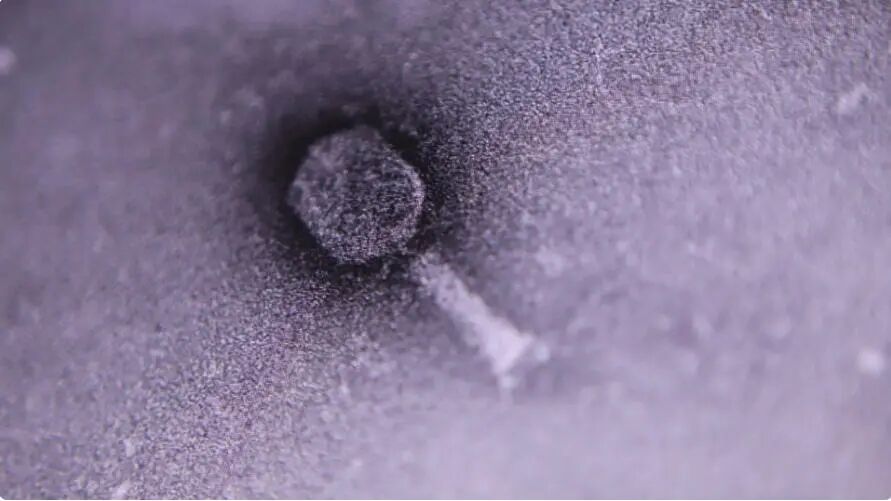
One of PhageLab’s bacteriophages, isolated from environmental samples and observed under a transmission electron microscope.
“当细菌菌株不可避免地进化时,我们专有的人工智能系统会自动更新噬菌体组合,以保持有效性,”Carrasco补充道:“这种动态做法解决了AMR的紧迫问题。”
“When bacterial strains inevitably evolve, our proprietary AI system automatically updates phage cocktails to maintain effectiveness,” Carrasco adds. “This dynamic approach addresses the pressing problem of AMR.”
早期结果令人鼓舞。“在家禽养殖的对照试验中,我们的噬菌体组合使沙门氏菌的发病率相比未处理的对照组降低了30%以上。奶牛犊试验也显示出对大肠杆菌和沙门氏菌菌株的类似成效,经过处理的动物表现出更好的增重,患病率下降80%,死亡率也降低。”
Early results are promising. “In controlled trials with poultry operations, our phage cocktails reduced Salmonella prevalence by over 30 percent compared to untreated controls. Dairy calf trials showed similar success against E. coli and Salmonella strains, with treated animals showing improved weight gain and 80 percent lower morbidity and mortality also dropping.”
慕恩生物:释放微生物的力量
MoonBiotech: unleashing the power of microbes
与此同时,在中国的慕恩生物正在利用土壤微生物的多样性——农业中最丰富且尚未开发的资源之一,推动土壤健康与可持续生产力。
Meanwhile in China, MoonBiotech is harnessing the diversity of soil microbes, one of agriculture’s richest and most untapped resources, to advance soil health and sustainable productivity.
该公司成立于2015年,总部位于广州,专注于微生物生物肥料。其庞大的微生物库包含超过32万个菌株,代表2.2万个物种,全部分离自中国各地的生态系统。凭借其菌株库,慕恩生物筛选并优化具有特定功能的菌株,用于三个核心领域:可持续农业、生物制药以及食品应用中的替代微蛋白。
Founded in 2015 and based in Guangzhou, the company specializes in microbial biofertilizers. Its vast microbial library comprises more than 320,000 strains representing 22,000 species, all isolated exclusively from ecosystems across China. Using its archive, MoonBiotech identifies and perfects strains with specific functions for three core sectors: sustainable agriculture, biopharma and alternative microproteins for food applications.
“我们上市的雄心壮志很大程度上源于这一经证明的知识产权驱动的价值模式。”
“Our IPO ambitions draw heavily on this proven IP‑driven value model.”
“我们采集的每一份土壤与生物样本都蕴藏着新解决方案的潜力,”慕恩生物副总裁Armanda博士说道:“我们的使命是利用自然界的微生物多样性,创造能够强化农业、人类健康和粮食韧性的产品。”
“Every soil and biological sample we collect carries potential for a new solution,” says Dr. Armanda, MoonBiotech vice‑president. “Our mission is to harness nature’s microbial diversity to create products that strengthen agriculture, human health and food resilience.”
“基于植物的筛选使我们能够确定具有保护或促进生长特性的高功能微生物。”首席运营官Lindsay博士补充道。筛选出的菌株作为生物肥料的基础,既能替代也能补充化学投入,同时恢复土壤活力。
“Our plant‑based screens allow us to identify highly functional microbes with protective or growth-promoting attributes,” adds Dr. Lindsay, COO. The screened strains serve as the basis for biofertilizers that can substitute or complement chemical inputs while restoring soil vitality.
慕恩生物积极寻求知识产权保护。该公司已提交15项PCT申请,以及在美利坚合众国、欧洲联盟、澳大利亚、加拿大、日本、大韩民国和巴西提交的国家申请。其他申请还包括在中国的85件专利和108件商标,在美国的6件专利和8件商标,以及在巴西和欧盟的多项申请。
MoonBiotech pursues IP protection aggressively. The company has filed 15 PCT applications, plus national filings in the United States of America, the European Union, Australia, Canada, Japan, the Republic of Korea and Brazil. Additional filings include 85 patents and 108 trademarks in China, six US patents and eight US trademarks, plus multiple applications in Brazil and the EU.
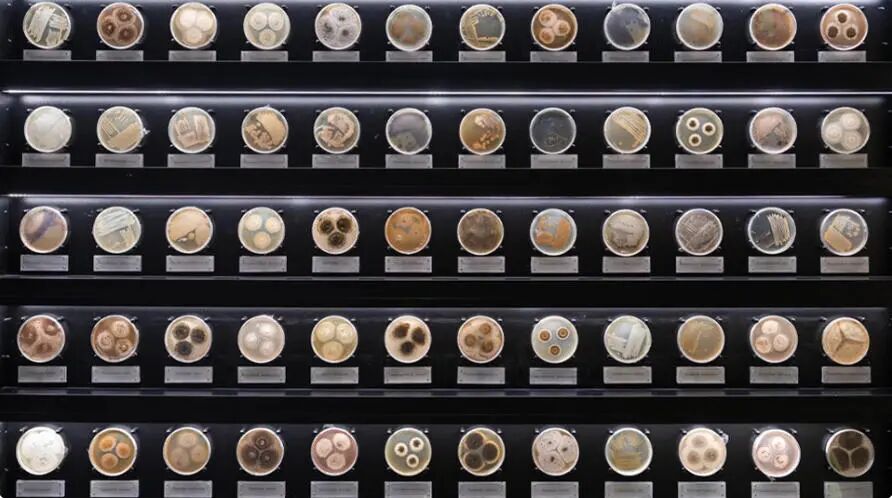
慕恩生物的微生物展览
An exhibition of microorganisms by MoonBiotech.
该公司的知识产权策略包括生物多样性合规和惠益分享框架。“在任何菌株离开我们的设施前,我们都会验证其基因组身份并制定合同惠益分享条款,”Lindsay博士说:“这种可追溯性确保了符合生物多样性框架,并增强了合作伙伴的信任。”
The company’s approach to IP includes biodiversity compliance and benefit-sharing frameworks. “Before any strain leaves our facility, we verify its genome identity and set contractual benefit‑sharing terms,” Dr. Lindsay says. "That level of traceability ensures compliance with biodiversity frameworks and reinforces partner trust.”
这些知识产权资产为许可谈判提供了支撑,吸引战略投资者,并为国际增长创造杠杆。正如Armanda博士的解释:“我们计划在未来两到三年内上市的雄心壮志很大程度上源于这一经证明的知识产权驱动的价值模式。”
Those IP assets underpin licensing negotiations, attract strategic investors and create leverage for international growth. As Dr. Armanda explains: “Our IPO ambitions, planned within the next two to three years, draw heavily on this proven IP‑driven value model.”
强有力的知识产权战略支撑着巨额前期投资
Strong IP strategies underpin steep upfront investments
开发农业生物技术需要大量前期投资,而回报却充满不确定性。因此,Unibaio、PhageLab和慕恩生物的知识产权战略均由市场力量驱动。
Developing agricultural biotechnology requires massive upfront investment while the returns are uncertain. The IP strategies of Unibaio, PhageLab and MoonBiotech, then, are driven by market forces.
Unibaio已投资近200万美元,预计将花费600万美元以实现商业化。“这显然是一项昂贵的事业,”Figliozzi说:“我们必须证明研发投资的合理性,以赢得投资者的信任,并确保长期的商业可行性。这意味着优化生产、提升可扩展性并顺利获得监管批准,同时还要与资金雄厚的化工巨头竞争。”
Unibaio has invested almost USD 2 million and expects to spend up to USD 6 million to reach commercial readiness. “Clearly this is an expensive undertaking,” Figliozzi says. “We must justify R&D investments to win investor trust and secure long-term commercial viability. That means optimizing production, improving scalability and navigating regulatory approval, all while competing against well-funded chemical giants.”
“我们定期开展培训课程,将知识产权思维融入企业文化。”
“We have regular training sessions to integrate IP thinking into corporate culture”
PhageLab也面临着高昂的成本。“让一种噬菌体产品完成开发可能需要花费数百万,具体取决于设施投资、质量体系和监管流程。”Carrasco说道。该公司预计将于2026年第四季度进行B轮融资,以探索多物种解决方案并拓展国际市场。
PhageLab also faces steep costs. “Taking a phage product through development can cost millions depending on facility investments, quality systems and regulatory processes,” Carrasco says. The company anticipates a Series B funding round in Q4 2026 to explore multi-species solutions and international market expansion.
慕恩生物的开发周期因应用领域而异。微生物农业产品通常需要一至两年,开发成本约为100万美元。杀虫剂应用可能需要长达五年,反映出更复杂的监管流程,而生物制药和益生菌产品线则需要更长的周期和更多投资。
MoonBiotech’s development timeline varies by application. Microbial agricultural products typically require one to two years and approximately one million US dollars in development costs. Pesticide applications can take up to five years, reflecting more complex regulatory pathways, while biopharmaceutical and probiotic lines demand even longer timelines and larger investments.
此类投资仅在有强大的知识产权保护时才合理,这是为何这些公司将知识产权视为企业基因,而非事后的补充。
Such investments only make sense with strong IP protection, which is why these companies treat IP not as an afterthought but as organizational DNA.
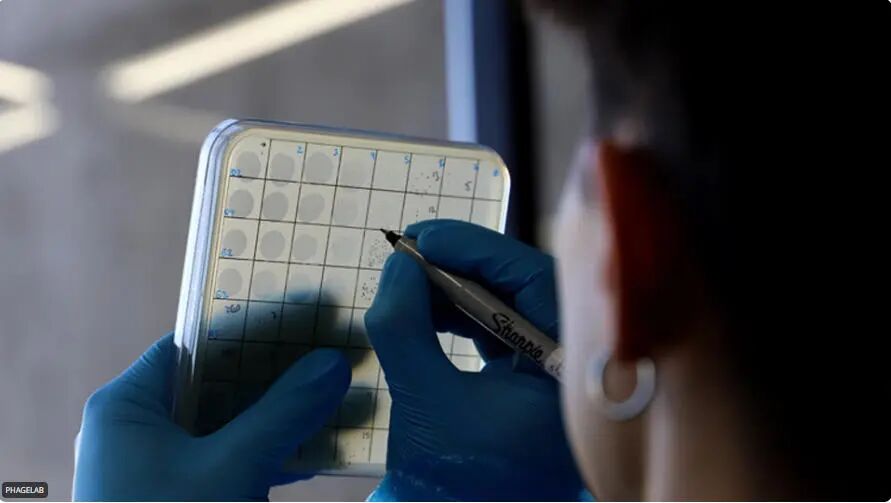
“我们定期开展培训课程,将知识产权思维融入企业文化,确保所有员工理解自己的工作如何促进我们的竞争优势。”Armanda博士说。
“We have regular training sessions to integrate IP thinking into corporate culture, ensuring all employees understand how their work contributes to our competitive advantage,” Dr. Armanda says.
“我们的知识产权部门不仅保护创新,还推动创新。”PhageLab的Carrasco说:“我们有专利激励计划,鼓励员工提交内容,对于具有良好专利潜力的创新给予经济奖励。”
“Our IP department not only protects our innovations but drives them,” says Carrasco of PhageLab. “We have a patent-incentive program that encourages employee submissions, with financial rewards for innovations with strong patent potential.”
“知识产权是成长的跳板,而不仅仅是保护技术。”
“Your IP is a launching pad for growth, not just to secure your technology.”
Unibaio已与 Itera 合作,管理知识产权并从创新中创造价值。“我们已纳入内部流程来识别和保护我们的创新,包括在与员工和战略合作伙伴的协议中加入保密条款和知识产权条款。”Figliozzi说道。
Unibaio has partnered with Itera to manage IP rights and create value from innovation. “We have incorporated internal processes to identify and protect our innovation, including confidentiality clauses and IP rights in agreements with employees and strategic partners,” Figliozzi says.
通过打造注重知识产权的文化,这些公司鼓励员工作为创新引擎和先锋,在竞争对手之前发现具有可专利性的成果。
By building an IP-focused culture, these companies encourage employees to act as innovation engines and scouts, surfacing patentable discoveries before their rivals do.
知识产权要点:创新者的实用技巧
IP essentials: practical tips for innovators
从这些创新者的知识产权做法中可以学到很多。首先也是最重要的一点:尽早且有策略地申请。Armanda指出,一旦实验室突破看起来具有商业可行性,就应立即开始法律文书工作,以便随着研发继续,技术能够得到保护。
Much can be learnt from these innovators’ approach to IP. First and foremost: file early and strategically. As soon as a lab breakthrough looks commercially viable, says Dr. Armanda, start the legal paperwork so that the technology can be secured as R&D continues.
Carrasco敦促企业将知识产权视为资产,而非单纯的防御壁垒。“知识产权是增长的跳板,而不仅仅是保护技术。”他鼓励创业者思考专利可如何打开市场、吸引合作伙伴并创造收入,而不仅仅是阻挡竞争对手。
Carrasco urges companies to treat IP as an asset, not merely a defensive barrier. “Your IP is a launching pad for growth, not just to secure your technology,” he says, encouraging entrepreneurs to consider how patents can open markets, attract partners and create revenue, rather than only blocking competitors.
“专利应与商业化里程碑相匹配——在重大展示或许可洽谈之前申请关键专利。”Figliozzi强调了使知识产权与商业目标保持一致的重要性。他敦促中小企业使用知识产权展示其进入开发下一阶段的就绪程度,无论是田间试验、监管申报还是扩大规模。
“Patents should match commercialization milestones – file a key patent before a big demo or licensing talk,” says Figliozzi, stressing the importance of aligning IP with business goals. He urges small and medium-sized enterprises (SMEs) to use their IP to demonstrate their readiness for the next stage of development, whether that’s a field trial, regulatory submission or scale‑up.
三家公司均建议投资知识产权文化,鼓励员工发现并上报发明、庆祝专利授权,并实施清晰的培训与公开流程,使科学家能够成为知识产权保护的积极倡导者。
All three companies recommend investing in IP culture by encouraging staff to spot and report inventions, celebrating patent grants and running clear training and disclosure processes so that scientists can become active champions of protection.
最重要的是,上述公司将知识产权视为持续的工作,而非一次性任务。保护旨在捍卫企业并帮助实现初始申请之后的增长。
Above all, though, the above companies treat IP as ongoing work, not a one‑off task. Protection is designed to defend businesses and enable growth beyond initial filings.
这三家公司共同代表着一种农业创新与知识产权管理的新模式,证明科学研发与战略的结合得当,小型生物技术公司也能产生巨大影响。
Together, these three companies represent a new model for agricultural innovation and IP management, proving that with the right combination of scientific development and strategy, small biotechnology companies can have an outsized impact.
随着它们在全球范围内扩大规模,以生物学优先的解决方案为在不破坏我们赖以生存的生态系统情况下养活不断增长的人口带来了希望。正如Lindsay博士所说:“生物技术不仅涉及发现,还涉及构建信任体系。”
As they scale globally, their biology-first solutions offer hope for feeding growing populations without destroying the ecosystems that sustain us. As Dr. Lindsay puts it: “Biotechnology is not just about discovery; it’s also about designing systems of trust.”
本文中提到的公司入围了2025年产权组织全球奖。这些入围者从来自95个国家创纪录的780份申请中脱颖而出,展示了知识产权可如何战略性地用于扩大解决方案的规模,以应对全球最严峻的一些挑战。
The companies featured in this article were shortlisted in the WIPO Global Awards 2025. Selected from a record 780 applications across 95 countries, the finalists exemplify how IP can be used strategically to scale solutions to some of the world’s greatest challenges.
这项年度评选面向使用知识产权为企业创造价值的中小企业、初创企业和大学衍生企业。下一轮征集申请将于年底前启动。敬请关注。
The annual competition is open to SMEs, startups and university spinouts that use IP to create value for their business. The next call for entries will open before the year’s end. Watch this space.
关于作者
About the author
保罗·欧蒙迪是一位专注于技术、知识产权、可持续性和商业的作者。他关注创新与具有影响力的解决方案之间的交集。
Paul Omondi is a writer specializing in technology, intellectual property, sustainability and business. He focuses on the intersection of innovation and impactful solutions.

